Music's Current Nostalgia Era Isn’t About the Past; It’s About the Future
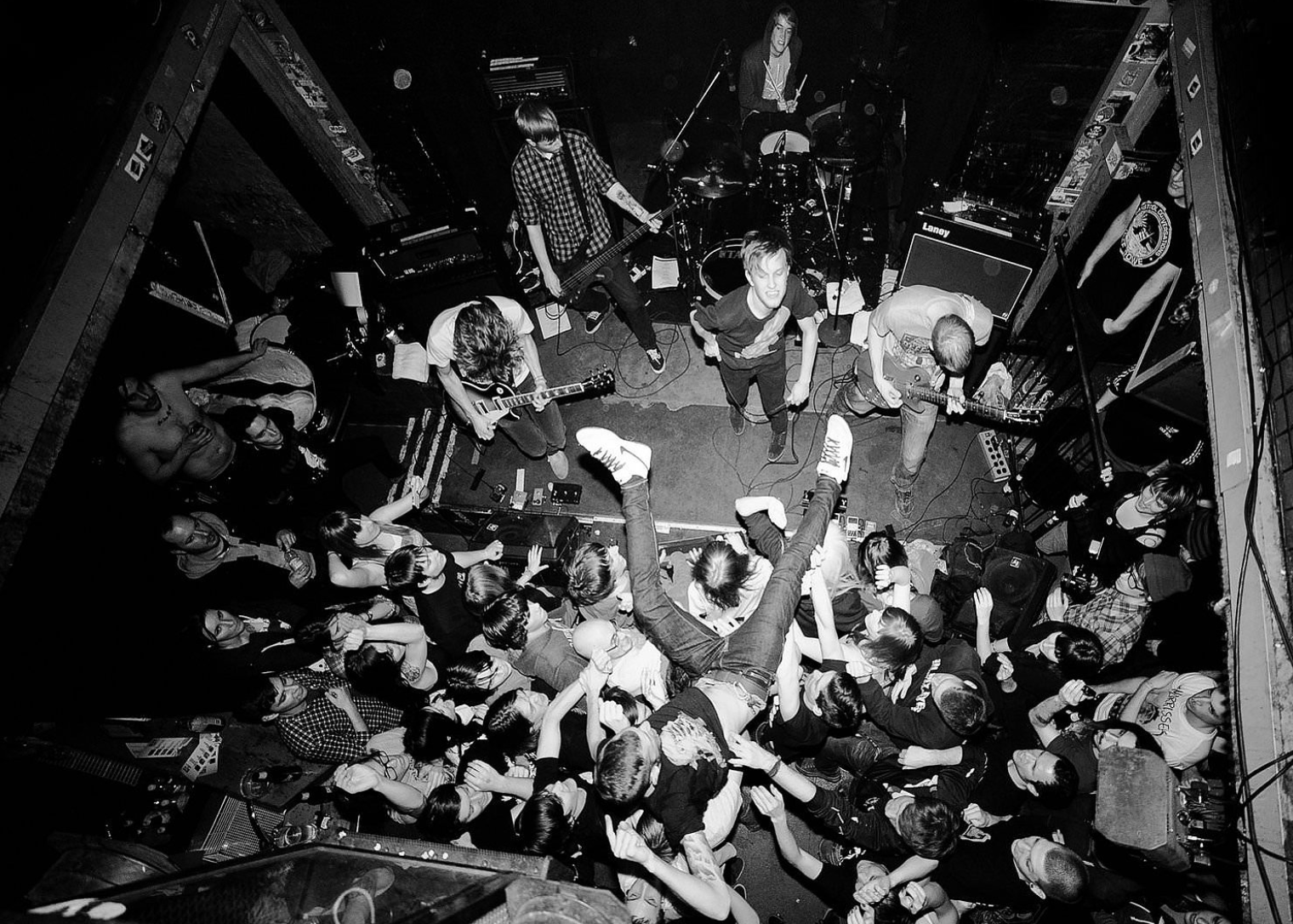
Photo by Matthias Hombauer
WRITTEN BY MAEGAN STRONGMAN
I’ve felt that, despite having access to most songs ever recorded, music has never felt so difficult to connect with. Streaming has made listening to music effortless, but between endless playlists and algorithm-driven recommendations, music discovery feels passive. The more accessible music becomes, the more I find that myself and others crave experiences that feel intentional, emotionally meaningful, and authentic.
Consumers are seeking genuine forms of connection and discovery from artists and the industry. The constant exposure to algorithm-driven content and overconsumption has created a demand for experiences that hold emotional value. As a result, nostalgia became a tool through which consumers engage with music, identity, and culture. Looking back is no longer about revisiting the past; it’s shaping the future of how we discover music and connect with artists. What’s interesting is this shift isn’t about rejecting and avoiding streaming altogether. Streaming continues to offer convenience for listeners, but convenience doesn’t always create connection.
Audiences are moving away from passive listening and engaging with more intentional and emotional listening experiences. Artists, too, are leaning on nostalgia to connect with their audiences more authentically. Records, CDs, merchandise, and collectible items allow listeners to physically engage with music rather than consume it behind a screen. Physical music isn’t replacing streaming, but it serves a different purpose. While streaming prioritizes accessibility, physical formats prioritize meaning, memory and connection.
I think that’s why we’re seeing such a revival of album culture, vinyl collecting, archive-led marketing and live music. Artists aren’t only releasing music; they're creating an atmosphere that people want to be a part of. Reunion tours, archival footage, anniversary releases, and re-recordings are more than moments of nostalgia; they're strategies. New artists lean on nostalgia to create something entirely new. Bands such as Fontaines D.C. and Wunderhorse draw inspiration from post-punk, while artists like Beabadoobee and Wolf Alice are reviving aesthetics and sound from 90s indie music for a new generation. They’re not copying the past, but rather reinterpreting it into something that feels relevant to today.
To me, this trend says something more about where music is heading. Audiences are beginning to value music not for how quickly it can be accessed, but for the emotional depth and authenticity that's attached to it. We’re choosing to collect, revisit and rediscover music and music-related experiences rather than endlessly consume them. In doing so, music becomes something people actively experience rather than something that fills the background. Maybe that’s why nostalgia feels so powerful right now. It’s often seen as just looking backwards, but I view it differently. In a culture defined by endless fast-paced content, nostalgia provides intention. It pushes us to reconnect and experience music with purpose. Looking back isn’t preventing the music industry from moving forward; it’s becoming one of the most important ways to innovate. As audiences continue to look for authenticity, comfort, and connection, nostalgia is no longer a reflection of the past. It’s one of the most powerful ways artists can build community, shape identity, and redefine how music is discovered and engaged with in the future.
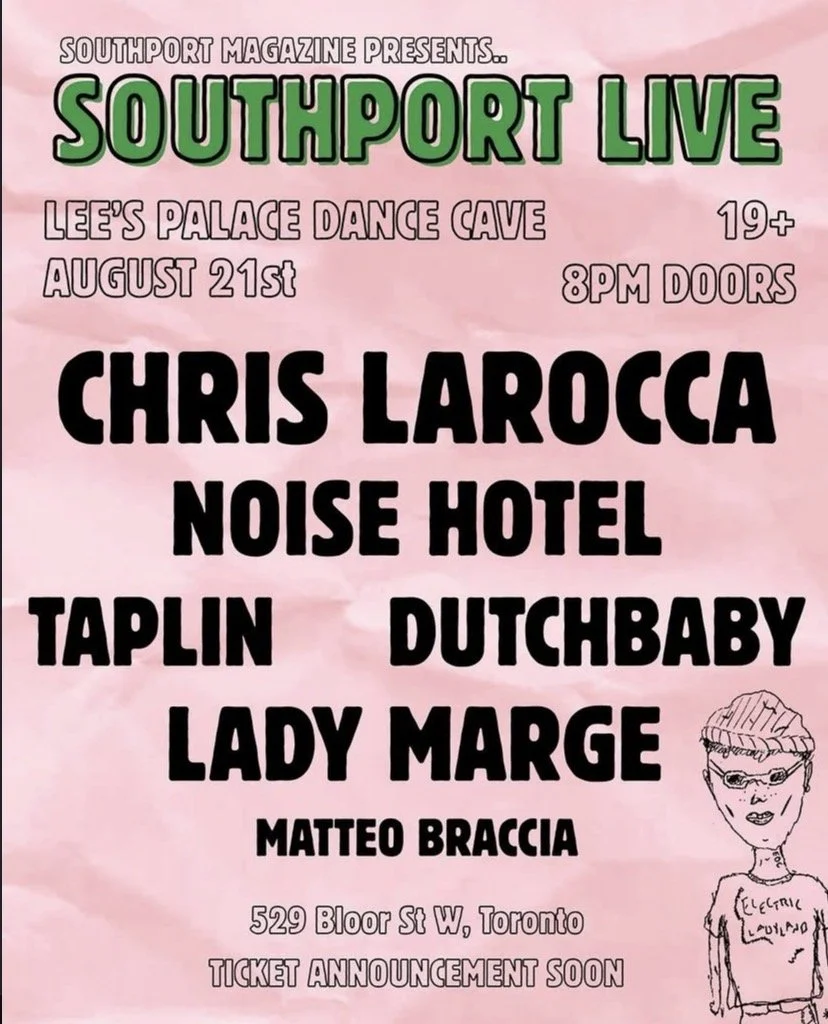
Discovering music is more than looking for the next song to add to your playlist. It's about the live moments, shared experiences, unexpected artists, and songs that stick with you after a show. Experience it for yourself at Southport Live, and be part of the moments and discoveries that make finding new music feel exciting again.
EDITED BY LIZ FOSTER