It’s Time to Usher in the New Era of Alternative Rock
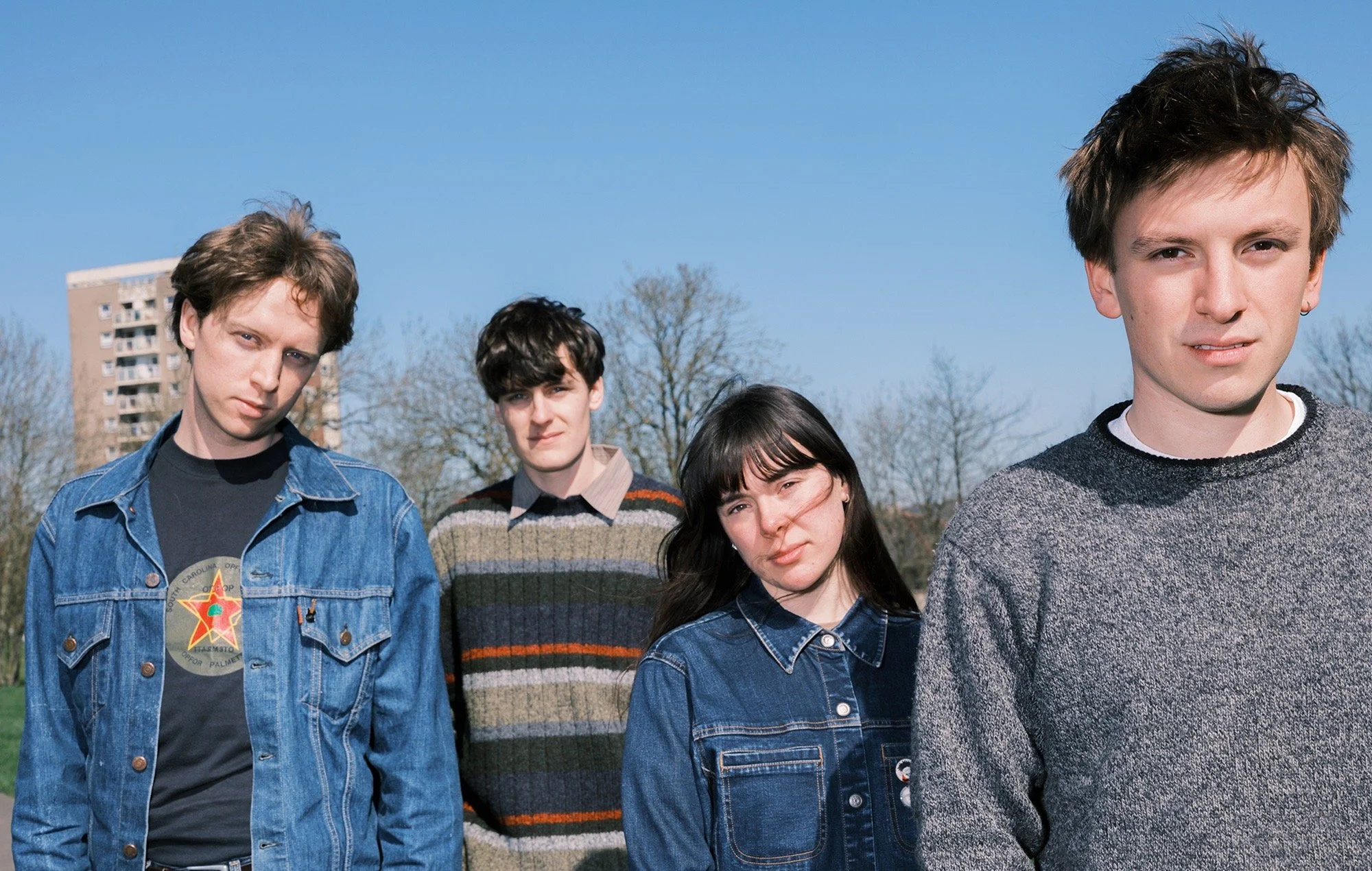
Westside Cowboy, Photo by Clementine Schneidermann VIA NME
WRITTEN BY CAMERON BLACKWOOD
My friends and I recently attended the Wunderhorse show at the legendary Phoenix Concert Theatre in Toronto. As we all adore this band, this wasn’t just some show we bought last-minute tickets for; we bought these as soon as they dropped. Being one of the most popular acts in the alt rock world currently, their tickets are a hot commodity. Especially in North America, where they play smaller, hotter and more intimate venues than back in their native United Kingdom. This was my second time seeing one of my all-time favourite bands in the flesh, and it did not disappoint. The sheer number of young people at the show made me think about this new era of music andll end up telling our kids about’ our kids about. Caught in this thought, I was struck with the belief that we have truly begun grasping onto the musical identity that belongs to Gen Z. Despite frontman Jacob Slater’s deteriorating voice, the band sounded sensational. The atmosphere was electric, filled with sweaty mosh pits, which further elevates the stranglehold the band has on our generation. Looking at this phenomenon on a broader spectrum, Wunderhorse are only one of the key players in the fluctuating zeitgeist of alternative rock. Standing alongside many other groups that are making it cool to listen to this music again in a world that’s dominated by every other genre.
For years, alternative rock has been fighting a battle to keep going as pop, country and hip-hop have all taken over the mainstream, leaving no room for the next Nirvana or The Strokes. Now, instead of accepting defeat and disappearing forever, alternative rock is being reshaped by a new era of bands and musicians that speak to this generation’s time and reflect its identity.
After the show, I thought not only of Wunderhorse, but also of how many other bands are really starting to push this new era of alternative rock forward. For me, the main names that come to mind are MJ Lenderman, Fontaines D.C., Geese, Keo and Westside Cowboy, just to name a few. As these artists continue to tour and make music, they get closer to becoming generational acts. Specifically, Fontaines D.C., Geese, and arguably MJ Lenderman have already made a strong case as the voices of a generation the masses will speak of for years to come. Meanwhile, newer acts like Keo and Westside Cowboy have quickly become household names within the scene and will seemingly end up in the same ballpark as a lot of the already established groups in the alternative rock and indie community.
With this, what I really appreciate about all of these acts that makes them unique to this era is that nobody is confined to one specific sound, but rather a collective of influences pulled from many different eras. Punk, Shoegaze, Britpop, Grunge, Madchester, Post-Punk, etc., are all being reinvented by bands that are built for a fresh audience, searching for a strong sense of musical identity. By doing this, it gives the music and aesthetic a slightly nostalgic feel to it even though it was created in the present and doesn’t directly draw from a narrowed-down source.
I feel a big reason for something such as this could come down to Gen Z being raised in a technological world with social media and streaming platforms. I think this factors into today’s music through how these platforms expose youth to music from a different time period.
Gen Z is constantly diving into the past to listen to old music, as it offers a sense of authenticity from a time when society didn’t live in a hyper-materialistic world like we currently do. With platforms such as Spotify and Apple Music, countless genres are at anyone’s fingertips, leaving the door more open to musical discovery. The music from these older times is great, don’t get me wrong, but it doesn’t belong to us. What’s happening now is that the younger generation wants to take the authenticity of that era and combine it with the culture and technology from their time. This is what I think we are starting to really see from the big acts in alt rock currently. Nothing is stolen or ripped off, but rather recycled for a new audience, which in turn keeps the genre constantly moving and evolving, ushering this new era of alt rock into the world of music.
Perhaps the biggest and most important thing is how nobody is concerned with fitting into a specific scene or genre. In today’s world, a lot of the music in this spectrum just falls under the category of alternative rock or indie without getting into deep specifics, which contrasts with how this style of music used to be interpreted. Because of this, I feel like it really proves how Gen Z’s era of alt rock is unique to this time period and offers a secret little world that we can call our own. Additionally, I really think this helps build a sense of community and identity that you can’t find anywhere else.
In this day and age, it would be a miracle if most of these bands made it into the mainstream like Nirvana did with “Smells Like Teen Spirit” or how Oasis did it with “Wonderwall”, but that’s the beauty of alternative music. It doesn’t need to do that. For us, the music we claim as our own will stand the test of time, but what’s important to recognize is that it is happening right now. 20 years from today, we will look back on these years and reflect on the brief moments we had and how we claimed something that nobody else could. The artists that we listen to, like Fontaines D.C. and Geese, will be the soundtracks for the rest of our lives, and it is important to appreciate it while it is happening. The new era of alternative rock is now, and you will not want to miss it because you’ll blink and it will all be over.
EDITED BY ELI ROSENBERG